What roof maintenance is useful in spring?
Spring maintenance checks winter wear, lifted shingles, cracked sealant, pipe boots, flashing movement, gutter damage, and attic moisture before hail and heavy rain become the next concern.
Roof maintenance in Fort Wayne, IN is not a cosmetic visit. It is a chance to catch small failures before northeast Indiana weather turns them into leaks. Spring hail, summer wind, fall leaves, winter ice, and freeze-thaw cycles all stress different parts of the roof. If your roof is 10 to 20 years old, has tree cover, or has leaked before, call (260) 276-7426 for a seasonal check.
Spring maintenance looks for cracked pipe boots, popped nails, loosened ridge caps, lifted shingles, flashing movement, damaged sealant, and stains that appeared during snowmelt. If an active water path is present, the visit should shift from maintenance into roof leak repair so the source is traced before small exterior fixes hide the evidence. Spring is also a good time to photograph roof condition before hail season adds new damage.
Fall maintenance focuses on roof edges, gutters, valleys, penetrations, and attic ventilation before snow and ice sit on the roof. Leaves from mature trees can block valleys and downspout outlets; loose gutters can hold water at the fascia; short extensions can send roof water toward foundations. If the inspection shows broader wear, use a photo-based roof inspection to sort maintenance from repair or replacement planning.
Ice dams form when heat warms the roof deck, snow melts, and water refreezes at cold edges. Maintenance can reduce common triggers by checking ventilation, insulation gaps, air leaks, eave flashing, and gutter flow. Homes with vaulted ceilings, shaded valleys, older attic layouts, or additions may need closer attention. The point is risk reduction, not a promise that a severe winter cannot create ice.
The best maintenance items are often quiet: replace a brittle boot, reset a loose tab, correct a short downspout, clean a valley, seal a small flashing joint, and document the condition before the next storm. A small repair can prevent soaked sheathing and drywall work later. Compare likely scopes against the roof repair cost guide, then let the roof inspection set the actual number.
Gutter problems are roof problems when water backs up at the eave, spills behind the gutter, or freezes along the fascia. Sagging runs, clogged outlets, loose hangers, and poor downspout discharge can damage soffits, siding, and foundation areas. When the gutter system is part of the failure, combine roof maintenance with gutter repair or installation instead of treating each symptom separately.
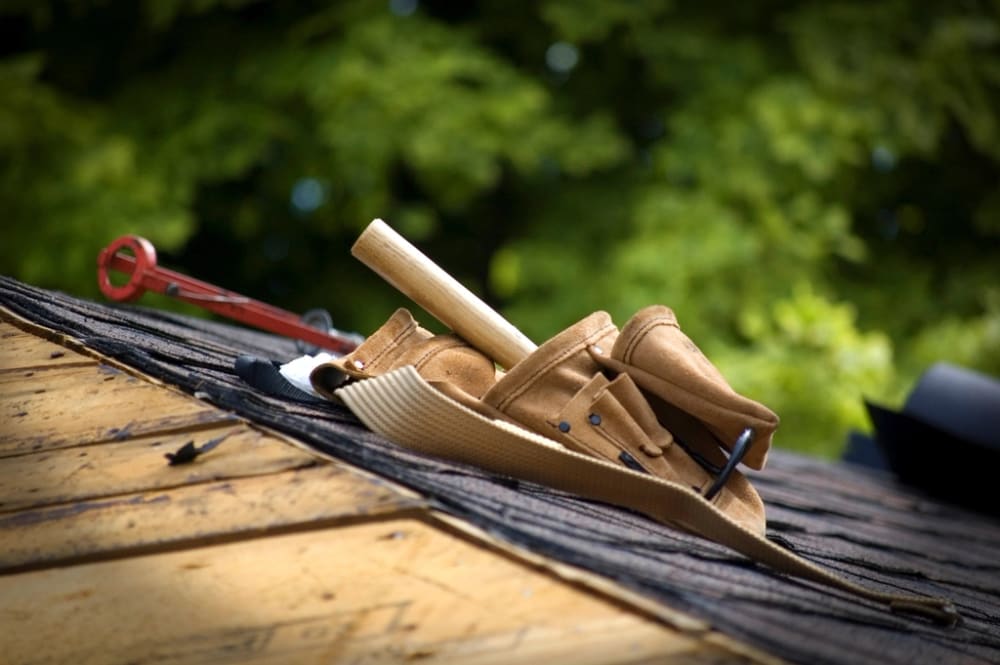
Maintenance needs differ across Fort Wayne. Tree-lined lots in Forest Park and Lakeside, postwar ranches in Waynedale, and larger subdivision roofs in Aboite or Arlington Park all have different weak points. The useful standard is a documented list of small fixes and a clear warning when maintenance is no longer enough.
Spring maintenance checks winter wear, lifted shingles, cracked sealant, pipe boots, flashing movement, gutter damage, and attic moisture before hail and heavy rain become the next concern.
Gutters control roof-edge water. Bad pitch, clogged outlets, short downspouts, and loose hangers can push water into fascia, siding, foundations, and winter ice at the eaves.
It can reduce risk when it addresses attic ventilation, air leaks, insulation gaps, roof-edge details, and gutter flow. It cannot control every winter condition.
Cracked pipe boots, loose flashing, exposed nails, missing shingles, failing sealant, clogged valleys, weak downspouts, and gutter pitch problems are worth correcting before snow and freeze-thaw cycles.
Fort Wayne Roof Pros
(260) 276-7426