A practical 2026 northeast Indiana price guide for common Fort Wayne roof repairs, emergency tarps, major section work, gutters, inspections, and replacement decisions.
Most small Fort Wayne roof repairs fall between $225 and $550, with leak tracing, valley
repairs, chimney flashing, or localized decking patches often landing between $450 and
$1,100. Larger section work can reach $1,100 to $3,200, and many architectural asphalt
replacements land between $9,000 and $20,000. Those are 2026 northeast Indiana planning
ranges, not a rate card. The final number comes from an inspection and a written quote.
A Fort Wayne repair budget starts with the failed part, then changes with the path water
followed, the slope of the roof, and how much material must be opened to make the repair
durable. A cracked pipe boot on a Waynedale ranch is a different job than chimney flashing on
an older West Central home or wind damage on a north-side subdivision roof. After severe
weather, read this guide with the
storm damage page so the scope stays grounded
in visible conditions.
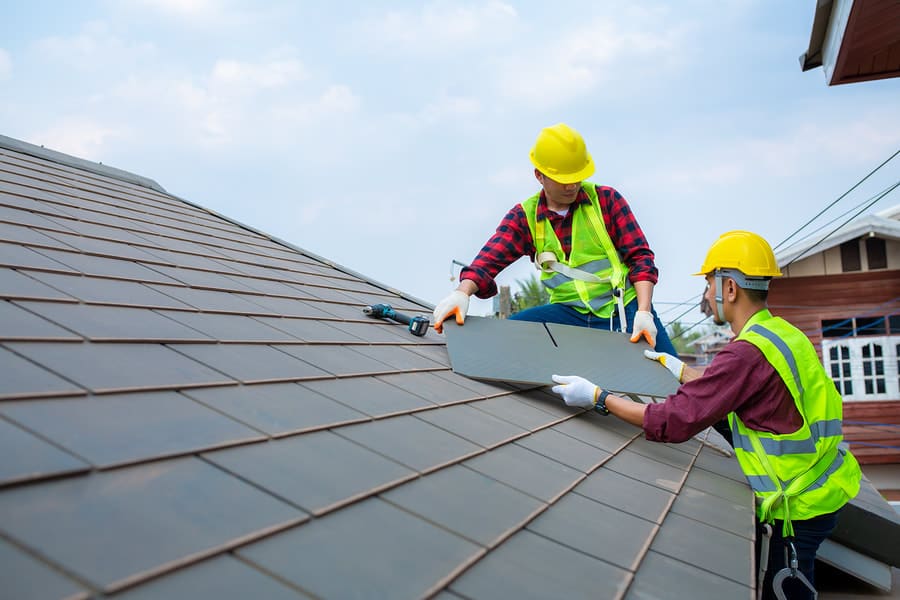
A written quote should account for slope, access, material matching, and the condition under the shingles.
Typical 2026 Fort Wayne Roof Repair Price Ranges
Repair tier
Typical range
What it covers
Minor repair
$225-$550
Small shingle, nail pop, pipe boot, or limited flashing repair.
Moderate repair
$450-$1,100
Leak tracing, valley work, chimney flashing, or a localized decking patch.
Temporary protection after active leaks, branch impact, missing shingles, or open decking.
Full replacement
$9,000-$20,000
Architectural asphalt replacement on many Fort Wayne homes; roughly $375-$600 per square installed.
These ranges are market-typical planning numbers. The operating contractor confirms the firm
quote after roof photos, access review, and a written scope.
Price Variables We Check On Site
How much roof must be opened. Replacing several tabs is a smaller project than rebuilding a valley, reworking chimney metal, or cutting out wet sheathing.
Slope and working height. Tall homes, steep sections, and chopped-up rooflines add setup time, staging, and fall-protection planning.
Material. Architectural asphalt, older three-tab, metal accents, flat porch sections, and specialty trim all price differently.
Access. Tight side yards, mature trees, decks, low service lines, skylights, and limited ladder placement can slow the repair.
Condition below the shingles. Spongy sheathing, delamination, or dark wet boards turn a surface fix into carpentry and weatherproofing work.
When Repair Stops Making Sense
Repair is strongest when the failed area is contained and the rest of the roof still has
enough flexibility to work with. Replacement deserves a comparison when leaks show up on
different slopes, shingles break during ordinary handling, decking repairs are spreading, or
a 1990s or early-2000s roof is nearing the end of its useful life. If the choice is close,
price the immediate leak repair beside a
roof replacement proposal and compare the risk of repeating
the same call next season.
Emergency Tarp and Dry-In Costs
Emergency tarp or dry-in work is typically $250 to $550, then confirmed by what the crew
finds on site. Height, tarp size, weather, roof access, tree impact, and temporary flashing
all change the number. Temporary protection is a water-control step; it should be followed by
a separate repair scope after the roof can be checked safely. If water is entering now, start
with the emergency roof repair page.
How to Avoid Getting Burned
Ask for an itemized written quote that identifies the roof plane, materials, decking
assumptions, flashing details, cleanup, permit responsibility when replacement or structural
exterior work is involved, and any workmanship warranty the contractor actually offers.
Indiana does not issue a statewide roofing license, so ask which insured contractor is
responding and whether local registration applies to your municipality. Storm work must stay honest: a contractor may document visible damage, prepare an itemized scope, and meet an adjuster when appropriate, but insurance coverage decisions belong to the carrier. Do not accept proposals that turn the deductible into a discount, and do not treat coverage as certain until your insurer says so in writing.
Push back on one-line proposals that say only "repair roof" or "storm work." A useful scope
names the slope, boot, valley, chimney side, eave, or decking area involved, then explains
what will be removed, replaced, sealed, or monitored. That level of detail makes bids easier
to compare after the work is complete.
For a price that applies to your roof rather than a range on a page, call
(260) 276-7426. A planning range becomes a
quote only after the contractor checks photos, roof pitch, access, shingle type, and the
condition below the surface. If the right service is unclear, schedule a
roof inspection before approving repair or maintenance work.
Frequently Asked Questions
Why do Fort Wayne roof repair quotes vary so much?
Two leaks can look similar inside but require different roof work. Pitch, roof height, material, access, decking condition, flashing complexity, weather timing, and whether the roof needs a temporary dry-in all affect the written scope.
Is a roof leak covered by homeowners insurance?
Coverage depends on the policy language and why the leak happened. A storm-created opening is reviewed differently from worn sealant, neglected maintenance, or age. The contractor can record visible conditions; the carrier decides the claim.
What does emergency roof tarping usually cost in Fort Wayne?
This guide lists emergency tarp or dry-in work at $250 to $550 for planning. The final quote changes with roof height, the open area, weather, safe access, and whether a branch or loose material has to be handled first.
What is included in a basic inspection?
The basic inspection connected through this site should include roof photos and a repair-versus-replace explanation. Formal written reports, engineering opinions, or specialty evaluations may be priced differently by individual contractors.
When does a repair stop being the cheaper choice?
A repair is usually the better spend when one component failed and the surrounding shingles still handle normal work. Replacement becomes easier to justify when leaks repeat, brittle shingles surround the damage, or decking repairs keep expanding.
How can I compare roofing bids after hail or wind?
Compare itemized scopes, materials, decking assumptions, ventilation details, cleanup, permit handling, and how each proposal handles insurance boundaries. Avoid any proposal that treats the deductible as a discount or coverage as certain.